In the heart of the Middle East, Dubai, the glittering emirate of the United Arab Emirates federation, captivates with its architectural grandeur and rapid economic growth. But behind the veneer of skyscrapers and luxurious shopping malls, deep-rooted traditions and social customs persist, defining the identity of local residents. The emirs, guardians of these customs, coexist with a cosmopolitan population that learns to navigate this complex cultural fabric. Understanding the denominations and traditions of Dubai is essential for anyone looking to immerse themselves in the daily life of its inhabitants and harmonize with their unique lifestyle.
Cultural Traditions and Practices in Dubai
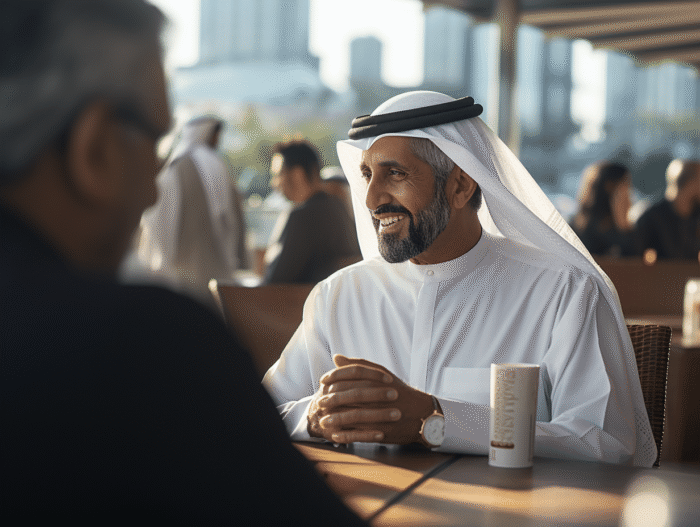
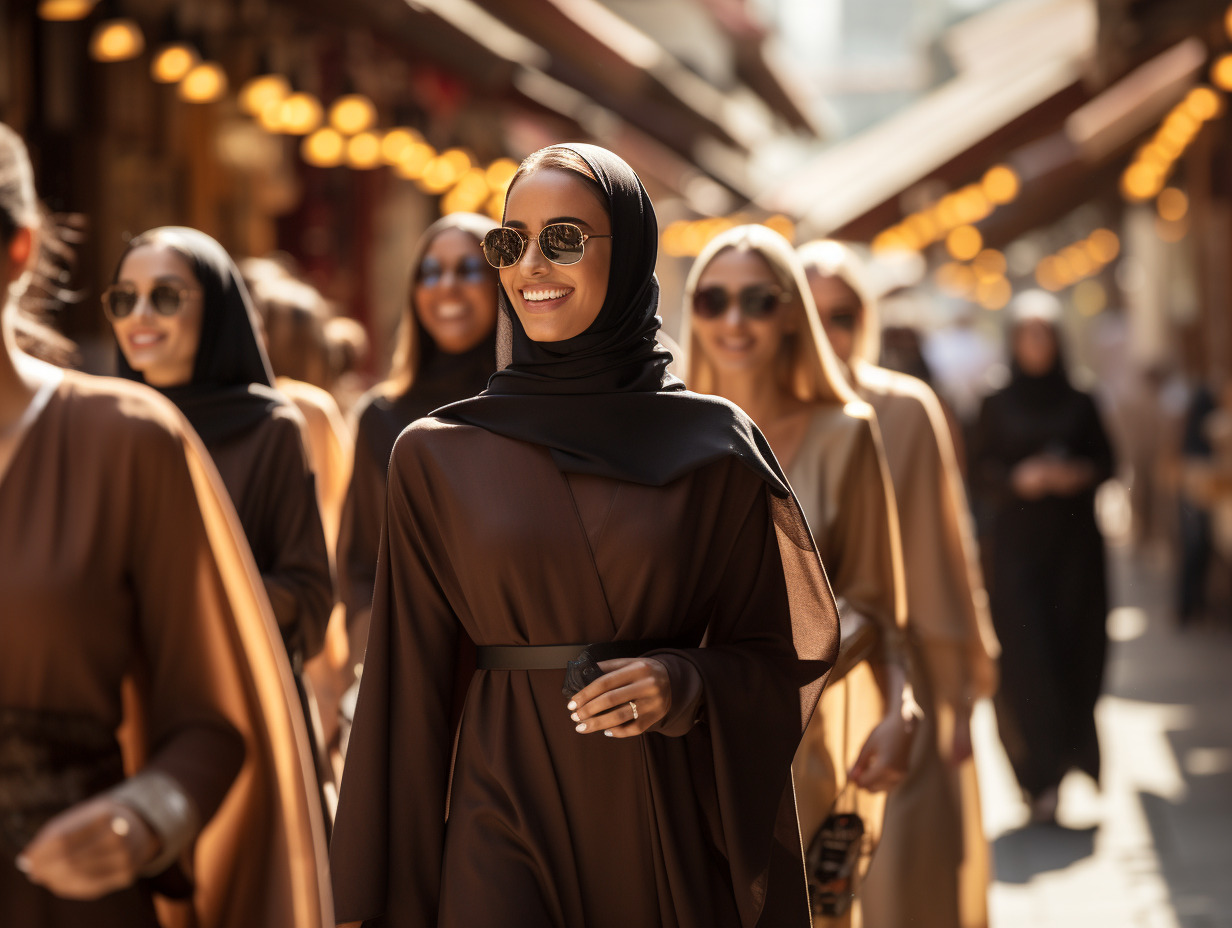
Dubai, this dazzling city of the United Arab Emirates, rolls out the red carpet for tourism and innovation while draping its residents in the fabrics of tradition. The backdrop of this modern tableau is woven by Islam, the official religion of the emirate, which permeates daily life through the practice of Sharia, the Islamic legal system. Men proudly wear the dishdasha, a loose traditional garment, while women cover themselves with a black abaya, a symbol of modesty and respect for cultural values.
The holy month of Ramadan sets the rhythm of life in the city, observed fervently by residents who engage in fasting from dawn until sunset. This period is an opportunity to fully experience the hospitality and generosity of Dubai, manifested through shared meals and collective prayers. Nightlife, although more discreet, thrives under the imposing shadow of the Burj Khalifa. Alcohol consumption, while regulated, finds its place in hotels and licensed venues, away from the public eye.
As for the question of what the inhabitants of Dubai are called, the denominations vary, but the identity remains rooted in traditions. Residents, whether native or expatriate, must adhere to strict codes of conduct: no public displays of affection for unmarried couples, decent attire required in public spaces, and a strict prohibition against offending the image of Islam and the authorities. The city, despite its international openness, remains a bastion of conservative values, where tradition and modernity intertwine.
The Denominations and Identity of Dubai Residents
Within this sparkling metropolis, the demographic fabric consists of a mosaic of nationalities, giving Dubai a cosmopolitan character. Native residents, known as Emiratis, are the guardians of the traditions and cultural identity of their Bedouin ancestors. They represent a small but influential portion of the population, with expatriates forming the majority. The latter, often drawn by economic dynamism and job opportunities, adapt to local customs while bringing their own cultural heritage to this city of the United Arab Emirates.
Tourism plays a prominent role in Dubai’s economy, also shaping its social identity. The denominations of visitors range from tourists awestruck by monumental constructions such as Palm Jumeirah to business professionals on the move, all contributing to the emirate’s ongoing vibrancy. Dubai, as a popular holiday destination, strives to offer an unforgettable experience, blending luxury, culture, and leisure.
Residents, whether Emirati or expatriate, together shape the face of a city that continually reinvents itself. They participate in creating an environment where respect for traditions coexists with international openness. Dubai, much more than just a travel destination, is a convergence point where identity and cultural diversity intertwine.