You don’t win the battle against palm laurel diseases through chance or makeshift methods. Applying Bordeaux mixture during full bloom is like shooting at an ambulance: the treatment loses its effectiveness, the foliage risks burning, and the entire garden ecosystem pays the price. Regulations have tightened around this fungicide, imposing precise thresholds and rigorous intervals to limit environmental damage. However, when fungal threats loom, Bordeaux mixture remains a valuable weapon, provided you aim correctly, at the right time, with the appropriate method. If applied incorrectly, it does more harm than good, exposing the plant to unnecessary stress and turning prevention into a futile effort.
Why protecting palm laurel from diseases is essential in the garden
The palm laurel stands out as the number one choice in many gardens due to its density and rapid growth. However, behind this robust facade lies a vulnerability to cryptogamic and fungal diseases: brown spots, downy mildew, silent attacks from fungi. Humidity and dense plantings promote the proliferation of these scourges. When the laurel weakens, it’s not just the hedge that suffers, but also the balance of the flowerbeds and neighboring plants.
A sick laurel can quickly become the starting point for a wave of contamination that spills over to fruit trees, perennials, and even the vegetable garden. Preserving the diversity and vitality of your garden therefore requires acting before symptoms set in. Prevention is far better than chasing after damage.
In this context, using Bordeaux mixture on palm laurel represents a targeted solution. This treatment, if application advice and dosage are respected, limits the development of agents responsible for leaf decline while safeguarding soil life and associated plants.
Here are the main threats to contain:
- Downy mildew: capable of ravaging young shoots in a few days, it leaves brown spots and causes sudden decline.
- Leaf fungi: by causing early leaf drop, they weaken the laurel in the long term.
- Spread to other species: an already affected laurel can serve as a relay for contamination of hedges, flowerbeds, and even the vegetable garden.
When is Bordeaux mixture most effective on palm laurel?
Treating with Bordeaux mixture is not an emergency reflex. It’s a strategy based on the rhythm of diseases and the palm laurel cycle. To act effectively, you need to intervene before the first damage appears, often just after winter, or at the very beginning of spring, when the plant is starting to grow and its shoots are most vulnerable.
The weather also imposes its rules: aim for dry days, with no rain expected in the following two days, so that the product truly adheres to the foliage. If a shower comes too soon, the treatment washes away with the water, and everything has to be redone. Wind, on the other hand, disperses the solution and risks affecting unrelated plants, a risk we prefer to avoid.
The majority of specialists therefore recommend applying Bordeaux mixture twice a year: in spring (March-April) and then in autumn (October-November). This rhythm creates an effective barrier against downy mildew and typical fungal pathogens. If your laurel has already suffered attacks in past seasons, stay vigilant and increase monitoring.
To miss nothing, two reflexes should be adopted:
- Regularly inspect the foliage to spot warning signs as soon as they appear.
- Remember to disinfect pruning tools to avoid spreading spores from one plant to another.
Following the manufacturer’s instructions on dosage and application frequency remains fundamental. Too much product unnecessarily weakens the plant and disrupts garden wildlife.
Practical instructions: successfully applying and dosing on your laurels
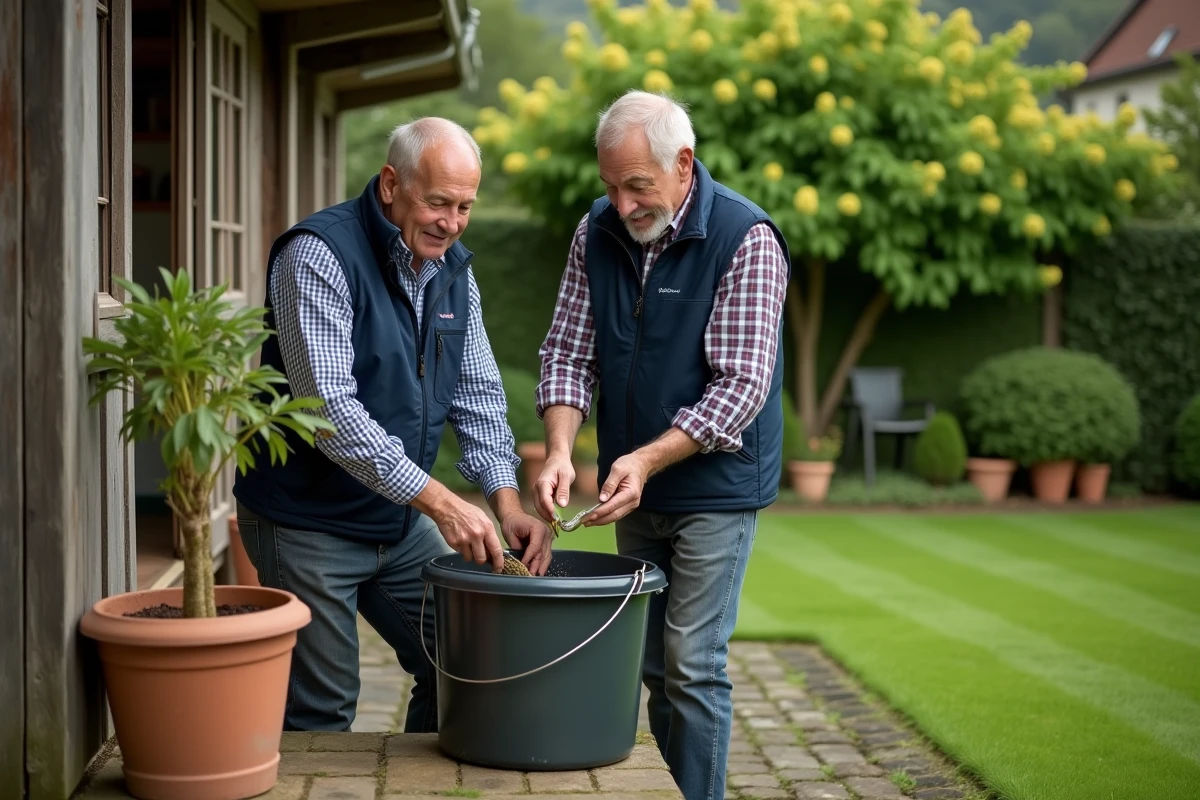
For the Bordeaux mixture to effectively combat diseases, preparation deserves your full attention. Follow the instructions on mixing copper sulfate and slaked lime, adhering to the classic dilution: 10 to 20 grams of powder per liter of water. Stir thoroughly to obtain a homogeneous solution. A clean sprayer is essential, free from residues of previous treatments to avoid unwanted interactions.
Here are the guidelines to follow for effective application:
- Treat in calm, dry weather, so that the mixture adheres to the leaves and young shoots.
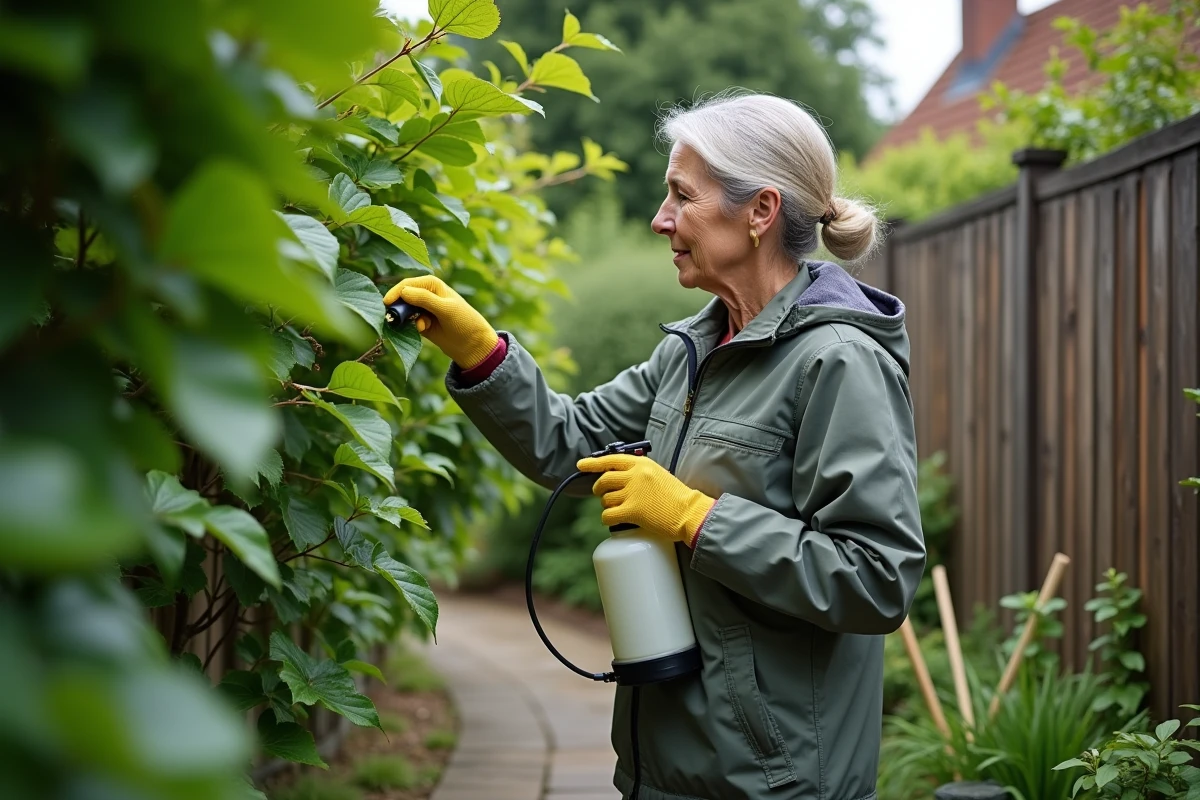
- Carefully spray on both sides of the foliage, top and bottom, for uniform protection against cryptogamic diseases.
- Watch for runoff: if the product accumulates on the ground, copper can disrupt the small underground fauna of the garden.
Some add a bit of black soap to the preparation to improve adherence on the leaves. Stay vigilant: too much copper harms both your laurels and other plants. The recommended frequency remains unchanged: two applications per year are sufficient, unless there is an exceptional pathogenic episode.
The Bordeaux mixture remains a surface treatment, aimed at limiting the germination of downy mildew spores and other fungal diseases. Regular use, combined with simple actions like aerating hedges or collecting dead leaves, strengthens the natural robustness of palm laurel and maintains the balance of the garden. Each to their vigilance, each garden to its regained health.