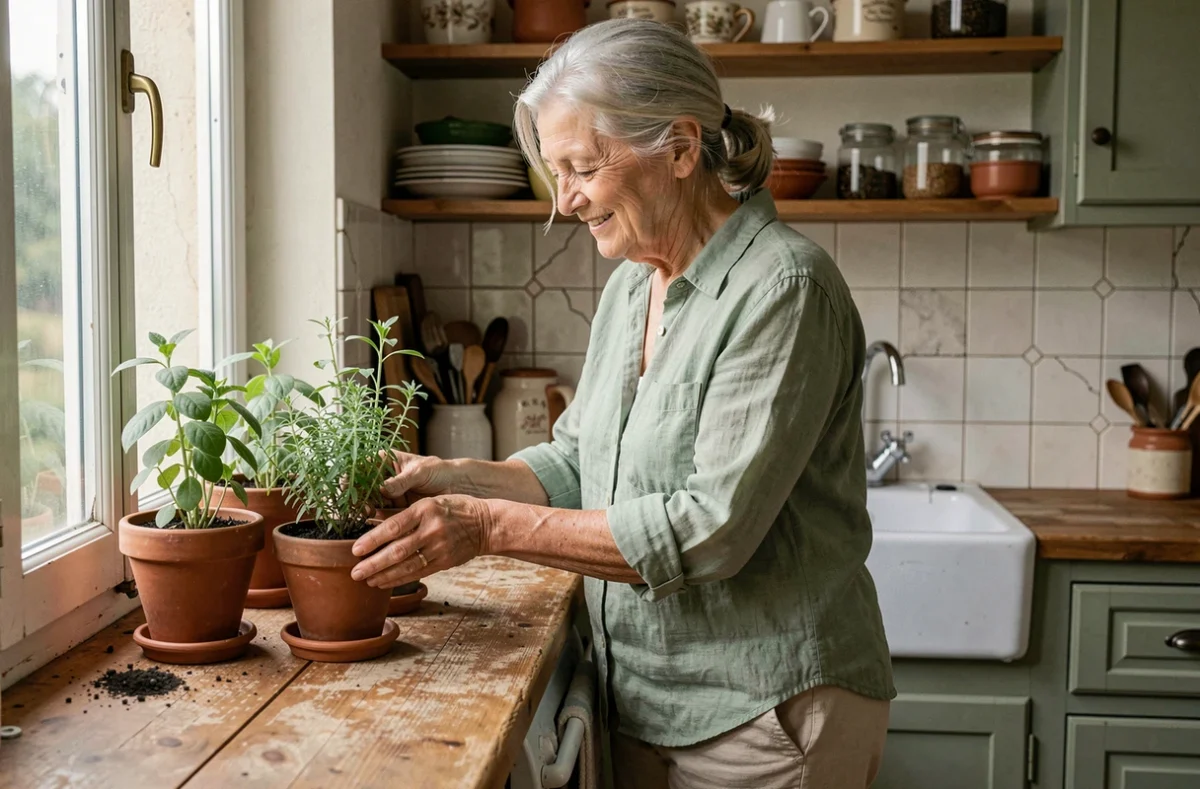
Most people want to stay in their own homes after the age of 60 or 70. Staying at home as you age depends on practical choices: adapting your home, arranging available support and maintaining your mobility. It’s best to make these decisions early, before a fall or loss of independence makes them urgent.
Staying at home without nearby family: arranging support in your area
You live alone and your children live far away. This situation affects a growing number of older adults. The challenge is less a lack of solutions than knowing what’s available: services vary from one department to another.
The law of April 8, 2024, created the Departmental Public Service for Autonomy (SPDA). Its aim is to bring together information, guidance and support for older adults under one system. The rollout is gradual, and in some areas, a one-stop service is not yet fully operational.
A useful first step is to contact your departmental council or local CCAS (community social services center) to find out which organization is active in your area. Some municipalities already have a dedicated information center, while others still refer people to several different organizations.
For additional information on support and services for older adults, the Green Seniors website offers practical resources organized by topic.
When family members can’t provide regular support, home care services help structure day-to-day life. Meal delivery, help with housework, assistance with shopping or medical appointments: some of these services may be covered by the personalized autonomy allowance (APA). The amount depends on the level of loss of independence assessed by a health and social care team.
Adapting a home for older adults: plan ahead before the first fall
A slippery bathroom, stairs without a handrail, a loose rug. These details may seem harmless at 55. At 75, they can become fall hazards.
Since January 1, 2024, MaPrimeAdapt’ has helped fund home adaptations for certain owner-occupiers and private-sector tenants. Administered by Anah, this grant is available to people who meet age, disability and income requirements. Applications can be prepared with France Rénov’ or submitted directly to Anah.
Adapting your home involves more than installing grab bars. An occupational therapist can assess the entire home and recommend changes tailored to the person’s specific needs. Common adaptations include:
- Replacing the bathtub with a walk-in shower featuring a fold-down seat and non-slip flooring
- Installing motorized shutters to avoid reaching overhead
- Adding handrails in hallways and on stairs, along with automatic motion-sensor lighting
- Reorganizing the kitchen so everyday utensils are within easy reach, without needing a stool or stepladder
The key point: making these changes while you’re still independent costs less and gives you time to choose. Waiting until after a fall and hospital stay limits your options and can mean longer delays.
Fall prevention: more than home adaptations
The HAS recommendations published in 2024 highlight an important point that equipment checklists often overlook: fall prevention also involves adapted physical activity and a personalized medical assessment.
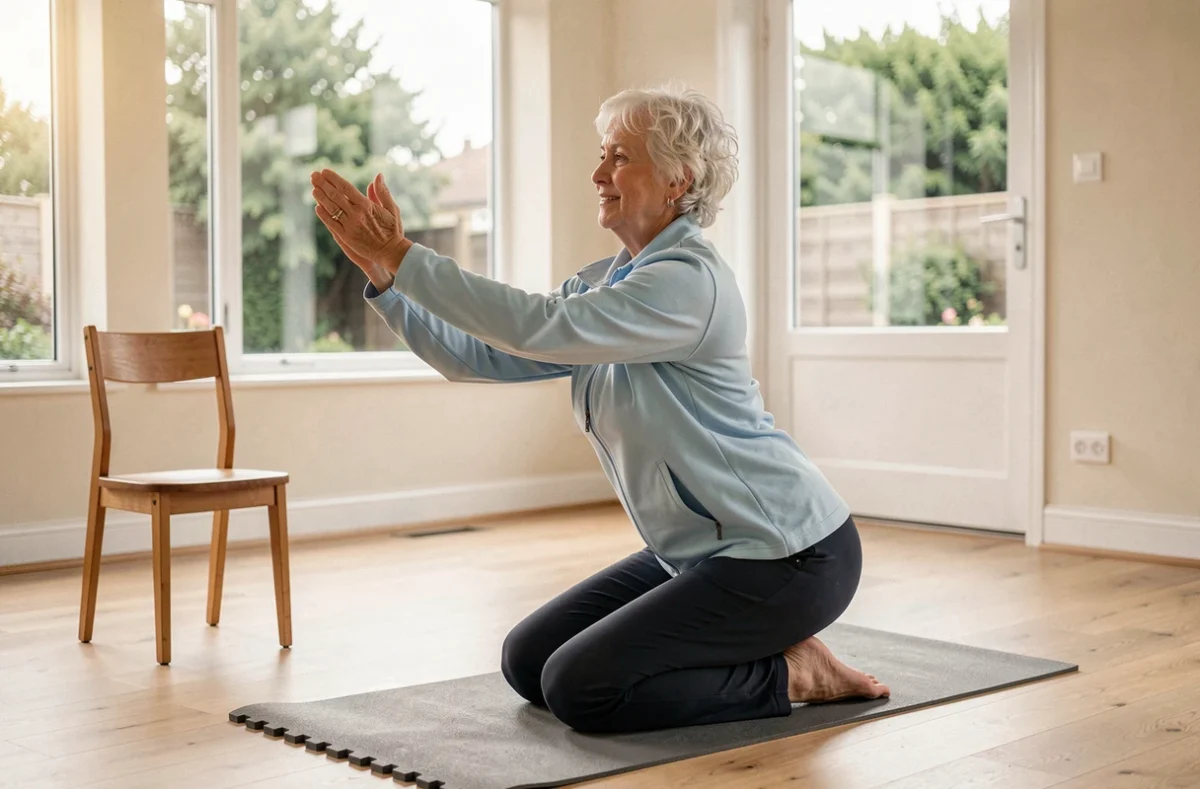
A doctor can identify specific risk factors, such as medications that cause dizziness, uncorrected vision loss or muscle loss linked to a sedentary lifestyle. A targeted exercise program reduces the risk of falling more effectively than a non-slip mat alone.
After a fall, the HAS recommends a prompt reassessment. Fear of falling again leads many older adults to limit their movements. This protective response can accelerate the loss of mobility. Identifying this vicious cycle early makes it possible to offer appropriate rehabilitation.
Everyday health and nutrition: what really matters
Have you noticed that after 65, you may feel less thirsty? Chronic dehydration is common among older adults and can worsen fatigue, cognitive problems and the risk of falling. Drinking regularly, even when you’re not thirsty, is an often-overlooked preventive measure.
When it comes to nutrition, the real challenge after 70 is maintaining muscle mass. Protein-rich foods (meat, fish, eggs, legumes) should be included at every meal. Older adults who eat less because of a poor appetite risk malnutrition, which can weaken the whole body.
Regular medical checkups remain the foundation of prevention. Vision and hearing tests, blood work and reviews of current medications can help detect problems before they affect independence.
Stay socially active to protect your mental health
Social isolation is a documented risk factor for cognitive decline. Maintaining social activities, even modest ones, protects mental health just as physical exercise protects the body.
Taking part in a workshop, joining a local association or speaking with a loved one by phone every day: these habits aren’t just nice to have. They’re a key part of staying at home, especially for people who live alone.
- CCAS centers often offer group activities for older adults free of charge or at reduced rates
- Some pension funds organize prevention workshops on memory, balance and nutrition
- Telecare services can offer regular friendly check-in calls, in addition to alerts in case of a fall
Staying well at home as you age takes practical steps, not last-minute action. Adapt your home before the first fall, find out what support is available in your department, stay physically active and maintain regular social connections. Decisions made at 65 can make a real difference to your quality of life at 80. The sooner you start, the better.