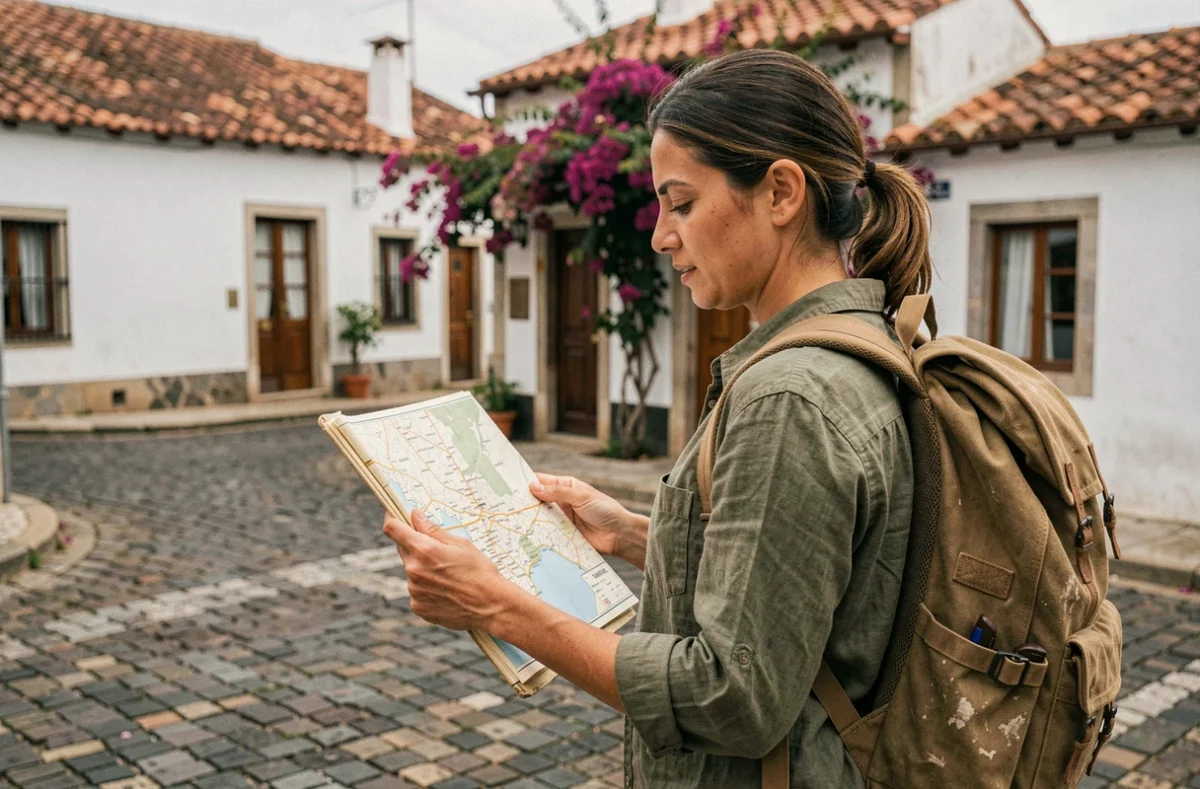
Traveling differently means choosing destinations, transport and accommodation based on more than just a change of scenery: the impact on local residents, respect for local ecosystems and the pace of the trip all matter. This approach is not just a checklist of unusual experiences to tick off. It means checking, before you even book, whether the adventure you have in mind genuinely benefits the place you are visiting.
A checklist for assessing a local experience before booking
Most articles about alternative travel offer lists of original activities. Few ask the question that should come first: does this experience benefit local residents and respect the limits of the place? Before confirming a booking, it is worth considering a few points.
- Is the activity run by local providers, or by an outside operator that takes most of the revenue? A meal in a local resident’s home arranged through a village cooperative is not the same as an “authentic” dinner sold by an international platform.
- Are there specific access requirements for the natural site you plan to visit? In Chamonix, the authorities proposed a reservation system for access to Lac Blanc and the Chéserys lakes during the summer to reduce pressure on the area. Checking for restrictions like these helps avoid surprises and contributes to preserving the site.
- Does the accommodation comply with local regulations? The law known as the “Le Meur” law, adopted in November 2024, strengthened municipalities’ powers to regulate furnished tourist rentals. In Paris, the maximum period for renting out a primary residence to tourists was reduced to 90 days a year starting in 2025.
- Does the activity also operate outside peak season, suggesting that it is supported by a stable local economy rather than a temporary surge in visitor numbers?
This checklist takes just a few minutes to apply. It turns an impulsive choice into an informed decision, and platforms such as https://www.voyageurscreateurs.com document experiences that meet these responsible travel criteria.

Micro-adventures in France: travel differently without flying
Traveling close to home is proving to be a practical choice. Stays near home account for a growing share of Gîtes de France activity, showing that the micro-adventure is more than just a passing trend.
A micro-adventure is based on three principles: a short duration (one to three nights), a short distance from home, and immersion in a natural or rural setting. The idea is not to make up for a “real” trip, but to redefine what counts as an adventure.
Accessible micro-adventure ideas
Cycle across a forested mountain range over two days, camp by a river, or follow a long-distance hiking trail along a lesser-known stretch: these trips require neither a large budget nor complicated logistics. Taking the train to the starting point means you can leave the car behind and reduce the journey’s footprint.
Traveling in a different season can completely transform the experience of the same place. Going when others stay home helps spread visitor numbers more evenly. A Breton coastal village in November or a Pyrenean mountain pass in October offers a sense of peace and a quality of light that peak season cannot.
Slow travel and ground transport: rethinking the pace of a trip
Slow travel is a way of traveling in which the journey is an integral part of the experience, rather than simply a transfer between two points. Choosing ground transport (train, bicycle, local bus) slows the journey and creates more opportunities to meet people.
The train as the backbone of an itinerary
An overnight train journey between two European countries can replace a short-haul flight while freeing up a whole day. Time on the train becomes time for reading, watching the landscape go by and talking with other travelers.
Cycling for mid-range distances
Cycling tours typically cover 50 to 80 kilometers a day, depending on the terrain. This physical constraint forces you to choose what you want to see instead of rushing past everything. France’s network of greenways and signposted cycle routes is extensive enough to plan multi-day itineraries without using busy roads.
Cycling also changes how you interact with local residents. It is easier to stop, ask for water and chat about the route. These spontaneous encounters are often among the most memorable moments of a trip.
Alternative accommodation: what regulations mean in practice
Staying somewhere unusual—a cabin, yurt or houseboat—is one of the experiences associated with traveling differently. However, it is worth checking your accommodation, something few travelers do.
As regulations on furnished tourist rentals in France become stricter, accommodation listed on a platform is not necessarily compliant. Checking that the host has a registration number issued by their local council reduces the risk of booking an undeclared rental and helps ensure that the activity contributes tax revenue to the local area.
Choose accommodation with strong local roots
Rural guesthouses run by their owners, mountain refuges maintained by local associations and bed-and-breakfasts that source locally offer a connection to the area that large platforms cannot replicate. The money you spend stays in the local economy.
Some regions also offer farm or craft immersion stays: taking part in the grape harvest, helping make cheese or spending a few days working in a pottery studio. These experiences combine accommodation and activities in a cohesive package.
Traveling differently is not simply a matter of swapping a hotel for a treehouse. The difference lies in the decisions made before setting off: checking access requirements for natural sites, choosing a local provider, being willing to slow down and valuing a deeper experience over ticking off more destinations. The most useful rule is also the simplest: before every booking, ask yourself who really benefits from the money you spend.