Youth news encompasses all information, entertainment, and awareness content produced or adapted for an audience aged 7 to 25. This scope covers both traditional media (press, television, radio) and digital platforms where young people stay informed daily. Formats are evolving rapidly, and current trends are reshaping how this age group consumes information.
Digital Reading Among Young People: Formats That Teenagers Do Not Consider Reading
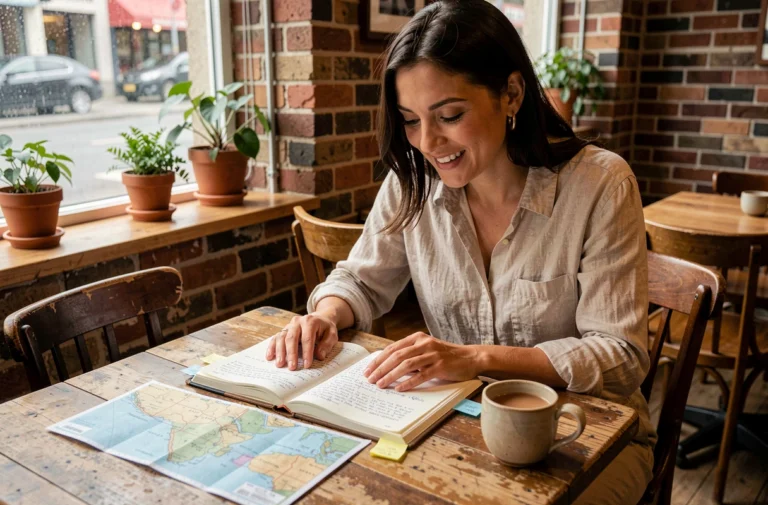
The 2026 barometer from the National Book Centre (CNL) shows that reading among 7-25 year-olds remains generally stable. The surprise comes from elsewhere: webtoons, online mangas, and fanfiction are significantly on the rise, but their readers do not spontaneously categorize them as “reading.”
This perception gap has direct consequences on cultural practice surveys. A teenager who devours three chapters of a webtoon a day may declare “not reading,” simply because the medium does not resemble a book. Reading promotion policies struggle to integrate this reality.
To keep up with these developments and access regular analyses on the culture, media, and leisure of younger audiences, you can visit the Newsyoung website, which aggregates news content designed for this audience.
Mental Health and Digital Addictions: A Priority Focus of Youth Information in 2026
Information initiatives aimed at young people have undergone a significant thematic shift this year. The “Youth Health” newsletter from April 2026 notes a significant increase in content dedicated to mental health, sleep, and addictions related to social media.
This shift is not coincidental. Public communication campaigns now incorporate these topics as a priority prevention axis. Youth media, whether online or broadcast on television, are dedicating more space to these themes, with short formats tailored to consumption habits on TikTok or Instagram.
Why Social Media Is at the Center of the Debate
The regulation of content accessible to minors on social media involves several institutional players, including Arcom. The issue of misinformation directly affects teenagers, the primary users of platforms where information circulates without editorial hierarchy.
Traditional youth media are attempting to address this problem by offering decoding sections. The short video format, modeled on TikTok codes, is becoming a common educational tool to explain current events to younger audiences while raising awareness about source verification.
Responsible Content for Children: Ecology and Second-Hand as Central Arguments
Professional trade shows in the first half of 2026 dedicated to the world of children and youth highlighted a structuring trend: “responsible” products and content are becoming a central selling point. Second-hand, eco-design, short supply chains, and educational tools on climate and sustainable food are increasingly prominent.
This evolution is not limited to physical objects. Editorial content is following the same movement. Youth magazines, educational YouTube channels, and podcasts for teenagers are treating ecology not as a one-off topic but as a permanent thread in their editorial line.
- Webtoons and online mangas with environmental themes are multiplying, featuring stories that integrate concrete issues (plastic pollution, local biodiversity).
- Offline workshops offered as part of the “Partir en Livre 2026” initiative combine youth news with practical experiences around gender equality, cyberbullying, and ecology.
- B2B events in the children’s sector highlight digital educational tools designed to explain climate issues based on local data and concrete cases.
Fashion and Lifestyle of Young People in 2026: Trends Crossing Media
Children’s and teenage fashion reflects the same concerns as the rest of youth news. The 2026 trends in fashion and lifestyle for young people revolve around sustainability and identity expression. Brands targeting this audience are increasingly communicating about their environmental commitments, aware that teenagers are sensitive to these issues.
Media specializing in children’s fashion news, such as the kidswear section of certain professional portals, document this evolution. Gender, inclusivity, and fluidity of dress codes are recurring topics in content aimed at teenagers.
The “Partir en Livre” Event as a Counter-Model to All-Digital
The 2026 programming of the national initiative “Partir en Livre” illustrates a desire for rebalancing. The event combines youth news topics (ecology, equality, cyberbullying) with offline experiences: writing workshops, author meetings, outdoor readings.
The stated goal is to recreate moments of shared reading, complementing digital practices. This hybrid approach, which blends online information with physical experiences, corresponds to what industry professionals observe: young people do not reject paper; they accumulate formats.
Youth news in 2026 is characterized by a blurring of boundaries between reading, information, and entertainment. Digital formats are gaining ground without eliminating traditional media, and societal themes (mental health, ecology, misinformation) now structure the editorial offering well beyond just “society” sections.