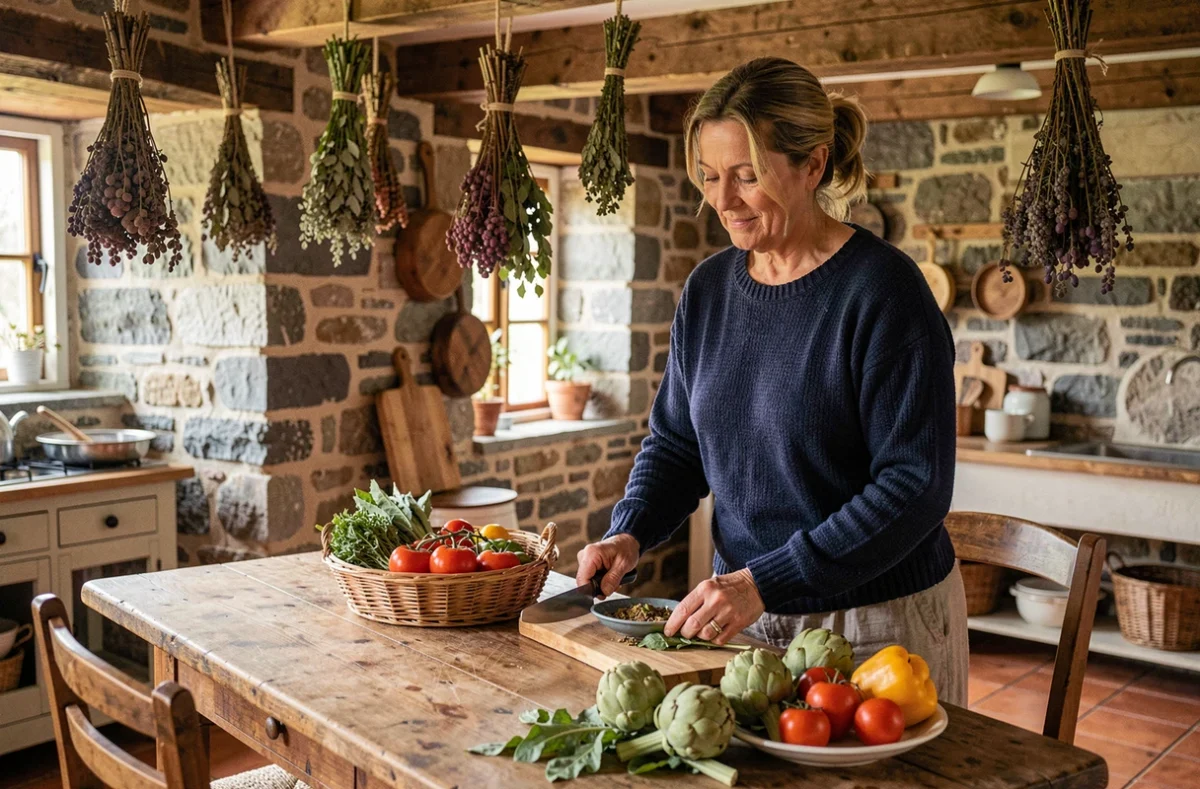
When looking for a house in Brittany, the coastline is the first constraint to check. Even before visiting a property on the coast, it is essential to know if the municipality has mapped coastal retreat and if the area is subject to a territorial reorganization project.
This point affects insurance, long-term value, and sometimes the sustainability of the construction itself. Living well in Brittany, in terms of housing, requires mastering several technical choices in advance.
Coastal retreat in Brittany: what it means for a real estate purchase
In Penvénan, the Life Adapto+ project studies the possible consequences of marine submersion on sanitation networks, infrastructure, and land. In Douarnenez, cliffs have already collapsed, and the community is working on prospective maps in consultation with residents.
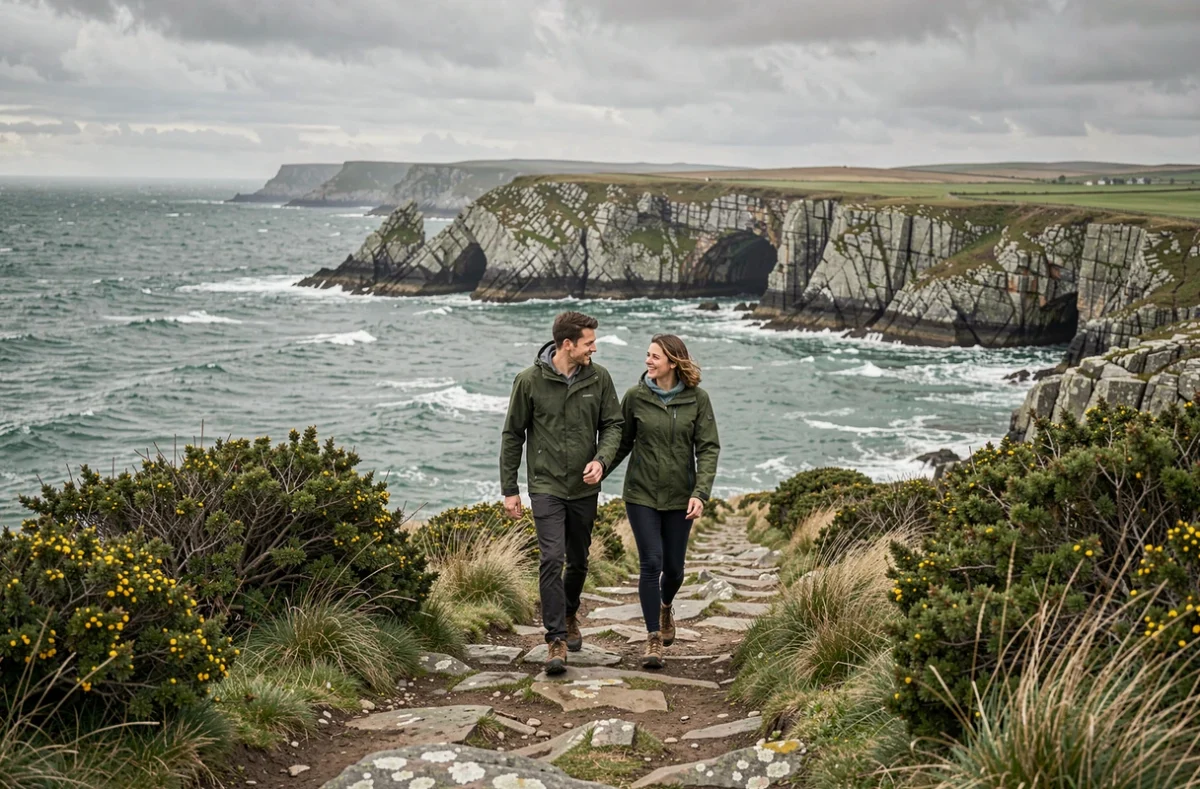
These situations do not only concern houses that are right by the water. Coastal retreat can affect road access, networks, and the value of a property located several hundred meters from the shore. Some communities are now making decisions between areas to protect and those that will need to evolve, with direct consequences on building permits and insurance.
Before signing, one can consult the urban planning documents of the municipality and the territorial reorganization maps when they exist. This reflex helps avoid discovering afterward that a plot is classified as an adaptation zone. To find useful information on Web de Bretagne, especially regarding local real estate specifics, it’s a good starting point when preparing a relocation project.
New construction in Brittany: the RE2025 requirements to know
The second stage of the RE2020, often referred to as RE2025, strengthens carbon requirements for new construction. This change applies to permits submitted since January 1, 2025 (decree n° 2024-1258 of December 30, 2024). The determining date is that of the permit application, not the start of construction.
In practical terms, building a new house in Brittany costs more in low-carbon materials. The wood and bio-based sectors, already present in the region, become a lever to meet these thresholds without exceeding the budget. Feedback on this point varies among craftsmen and geographical areas, but the trend is clear.
What it means for a family project
For a family buying land in Finistère or Morbihan, these constraints need to be integrated from the choice of builder. Not all builders are yet familiar with the carbon calculations of the new framework.
- Check that the builder has already submitted permits under the new RE2025 stage and ask for recent references
- Compare the bio-based insulation solutions (wood fiber, hemp, cellulose wadding) offered locally, as availability varies from one Breton department to another
- Anticipate the additional cost related to low-carbon materials in the financing plan, rather than discovering it during construction
This is not an administrative detail. A permit submitted before or after January 1, 2025 does not generate the same budget.
Passive house in Brittany: a favorable climate but practical pitfalls
The oceanic climate of Brittany, with its mild winters and temperate summers, is well-suited to the concept of a passive house. Heating needs remain moderate compared to the east of France, and the limited thermal amplitude facilitates natural regulation.
In practice, the difficulty arises from ambient humidity. A poorly ventilated passive house in Brittany accumulates condensation, especially in north-facing rooms. Double-flow ventilation is not a luxury here; it is a technical necessity to maintain healthy air without heat loss.
Geothermal energy and heat pumps: the Breton subsoil
The granitic subsoil of the region offers interesting geothermal potential for heat pumps. Shallow aquifers in certain areas of Finistère and Côtes-d’Armor allow for efficient installations.
Before committing, one should conduct a soil study. Breton granite sometimes requires drilling that is more expensive than expected. A drilling quote without prior study is a warning sign.
Daily life in Brittany: practical choices that change comfort
Beyond the house itself, living well in Brittany on a daily basis relies on a few practical decisions that newcomers often underestimate.
- Supplementary wood heating remains very common in Breton houses: check the condition of the flue before buying an old property, as flue standards have evolved
- Exposure to the prevailing wind (west, southwest) affects the comfort of a terrace and the durability of exterior joinery: prefer frames resistant to sea spray if the property is less than five kilometers from the coast
- Access to fiber networks varies greatly between municipalities in Finistère and those in Morbihan: for a remote working project, check the actual coverage at the address before making any purchase offer
- Breton gardens benefit from a long growing season due to the mild climate, but acidic soils (heathland) require regular amendments for a productive vegetable garden
A “coup de cœur” property without technical verification costs more to adapt than a medium property that has been well inspected. One saves time and money by asking the right questions from the first visit: condition of the chimney flue, type of installed ventilation system, date of the last humidity diagnosis, actual fiber connection.
Brittany offers a quality of life that few regions can match, between coastline, hedged farmland, and human-sized towns. The condition of a chimney flue, the type of ventilation system, or the classification of a plot as an adaptation zone weigh as heavily on daily life as the location of the property.