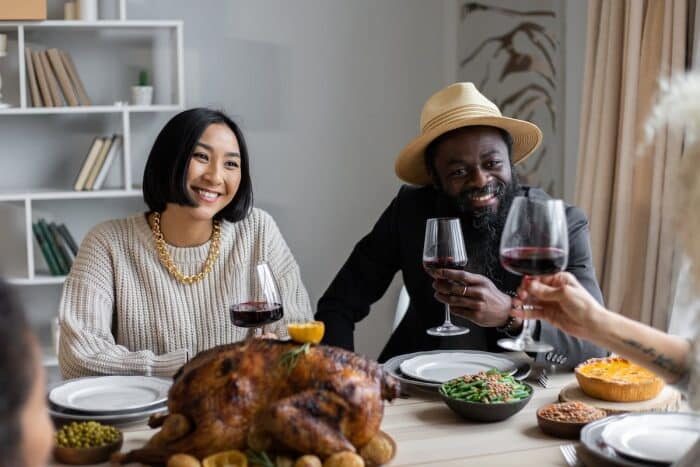
When organizing an evening or dinner, the question of how much wine to provide for guests is often tricky. Too little, and you risk running out; too much, and you end up with opened bottles. For a dinner with 10 people, how do you calculate the ideal amount of wine to prepare? Several factors come into play: the type of wine (red, white, rosé), the time of the evening when it will be served (aperitif, meal, dessert), the preferences of the guests… Here are some tips to help you clarify this.
Calculating the amount of wine: the perfect equation
The precise question ‘how many bottles of wine for 10 people’ is a common concern before an event. Several factors need to be considered to answer it adequately.
First, the type of event planned impacts the necessary quantity. For an informal party where guests are likely to serve themselves and snack rather than eat a full meal, it might be wise to aim for abundance: count between 1 and 2 bottles per person.
Conversely, if you are preparing a hearty meal with several courses enjoyed over a prolonged service, your guests will probably be satisfied with a lesser consumption. In such cases, about half a bottle to three-quarters of a bottle per person will generally be sufficient. Thus, to answer our initial question ‘how many bottles of wine for 10 people’, for such a formal event, it is recommended to purchase approximately five to eight bottles.
To further refine your answer to the question ‘how many bottles of wine for 10 people’, consider individual preferences • some guests may not drink at all while others may prefer red or white. In this context, you will also need to adjust your estimate of the total number of bottles needed.
Don’t forget that duration plays a role too: if the reception is to extend well beyond the main meal, buy a few extra bottles!
As we can see, the exact answer to ‘how many bottles of wine for 10 people?’ varies greatly depending on various parameters but remains essential so that neither quality nor good mood during your event is spoiled by a lack (or excess) of the divine beverage.
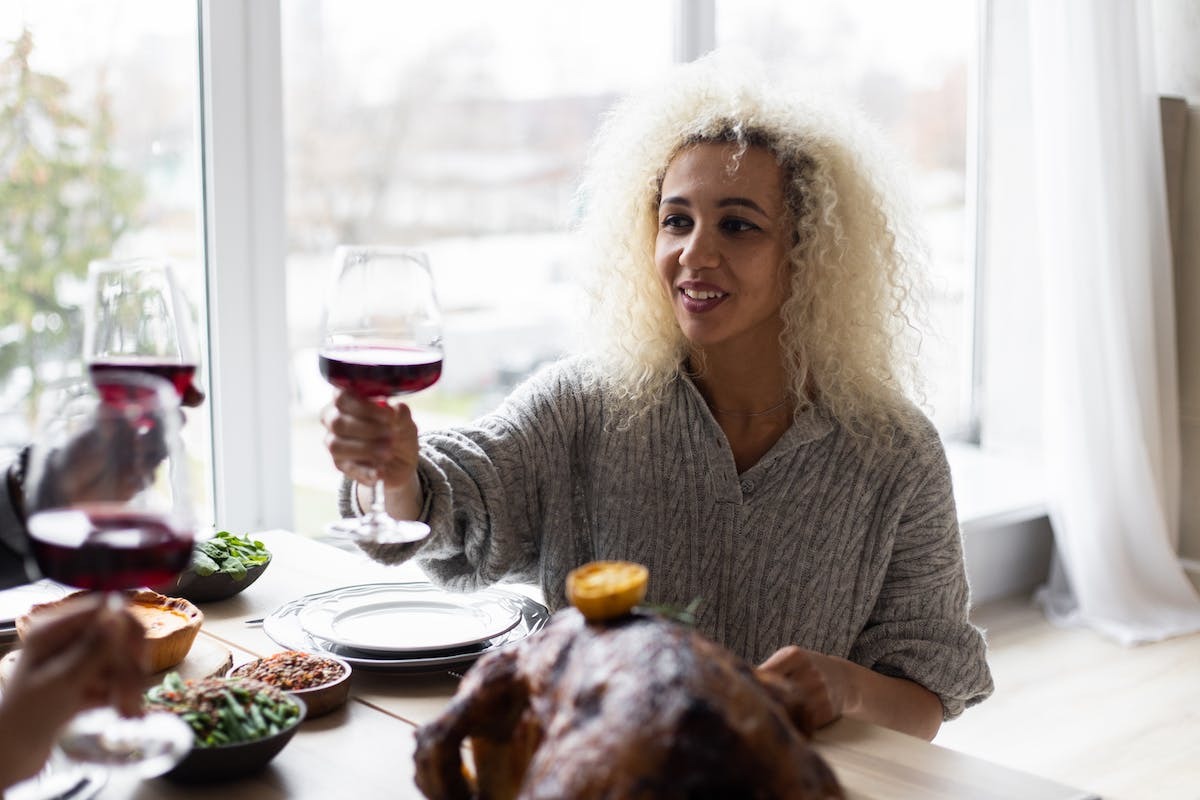
Factors to consider to avoid running out of wine
To accurately estimate the wine consumption for 10 guests, there are a few simple yet effective tips. It is advisable to consider the profile of the guests. If you know their habits and preferences regarding wine, it can help you adjust your estimate. For example, if your friends are connoisseurs of full-bodied red wines, their consumption is likely to be higher compared to a group that prefers light white wines.
Another approach is to base it on the duration of the event. If your evening extends over several hours or even an entire night, planning for a sufficient quantity of wine is essential to avoid unexpected shortages. In this case, be sure to include the main meal.
It may also be helpful to estimate the total amount based on the usual quantities served during a traditional meal. Generally, it is considered that a person drinks about one glass (approximately 150 ml) per course served during the main meal. So for 10 guests and a menu including three main courses (starter, main course, and dessert), that would represent about 3 glasses per person or the equivalent of about half a bottle.
Keep in mind that these estimates remain approximate and can vary depending on the specific circumstances of your event. For example, if you are organizing a wine tasting with several grape varieties to discover, it may be wise to add a few extra bottles to allow your guests to fully enjoy the experience.
Don’t hesitate to seek advice from a wine merchant or wine expert. These professionals can guide you and provide more precise recommendations based on your specific needs.
Tips for accurately estimating wine consumption
In your quest to calculate the ideal amount of wine for your 10 guests, be sure to consider your evening. Don’t underestimate the potential consumption of your guests. It’s better to plan for a little more than not enough to avoid embarrassing situations where the wine runs out.
Another common mistake is neglecting the different tastes and preferences of guests regarding wine. Be sure to offer a variety of wines that will satisfy all the palates present at your table. Opt for a balanced selection between reds, whites, and perhaps even a few sparkling bottles for those who enjoy a bit more fizz.
You should also consider that not all bottles are equal in terms of value for money. Avoid the common mistake of sacrificing quality for quantity. Instead, prioritize well-chosen wines within an affordable range that still offer a satisfying tasting experience.
A frequent mistake is also that of inadequate storage of the wine before tasting. Be sure to keep your bottles in optimal conditions: appropriate temperature and no direct exposure to light so that the precious liquid retains all its flavor until it is served.
Don’t hesitate to seek the wise advice of a wine merchant or professional sommelier. These experts will help you refine your wine selection based on the dishes planned for the menu and your personal desires.
Calculating the ideal amount of wine for 10 guests requires a certain degree of anticipation and attention to detail. By avoiding common mistakes, you can be assured of a successful evening where the pleasure of wine harmoniously combines with the company of guests.
Avoiding common mistakes in calculating the amount of wine
In your quest to calculate the ideal amount of wine for your 10 guests, you should consider alternatives to ensure you never run out of this precious nectar. Here are some tips to anticipate and address any potential shortages:
Plan for a safety margin: Instead of simply calculating the exact amount based on the number of guests, add an extra reserve. Generally, it is recommended to plan for about one bottle per person. For your 10 guests, consider having at least 12 to 15 bottles available.
Opt for magnum formats: Magnum bottles contain twice as much wine as standard bottles (75 cl). This can be an excellent solution if you want to avoid any risk of running out during the meal. They also add an aesthetic and festive touch to your table.
Homemade or artisanal: If you have a penchant for craftsmanship or if you are a passionate enthusiast who enjoys creating your own wines, why not consider homemade production? Not only could this be economically advantageous in the long run, but it also guarantees a constant and personalized supply based on the specific tastes of the guests.
Renting or borrowing: If the idea of buying several extra bottles does not appeal to you and you are looking for a temporary solution, consider renting or borrowing wine from a local cellar or close friends. This will allow you to have the necessary wine for your event without having to invest in a large quantity.
Wine fountains: Increasingly popular, wine fountains offer a practical and economical alternative for large receptions. These systems allow serving wine directly from a barrel or tank, eliminating the need to purchase and manage individual bottles. Just be sure to have enough wine in the fountain to satisfy all your guests.
It is crucial to anticipate your wine needs when hosting a meal with 10 guests. By considering these clever alternatives, you can be sure that your evening will go smoothly and that no one will ever be without that divine drink known as wine.
Alternatives to never run out of wine at an event
Once your meal is over and your guests are satisfied, you may have leftover bottles of wine. To avoid waste and keep these precious bottles in the best conditions, here are some storage tips to follow:
Constant temperature: Make sure to store your remaining bottles in a cool and stable place in terms of sensitivity to avoid any alteration of the wine. An ideal temperature is generally between 12°C and 14°C.
Horizontal position: When storing wine for a long period, bottles should be laid down to keep the cork moist from the liquid inside. This will also prevent premature oxidation of the wine.
Keep away from light: Direct sunlight can negatively impact the quality of wine by causing undesirable chemical reactions. Therefore, store your bottles in a dark place or use opaque cases to protect the contents from harmful rays.
Humidity control: Excessive humidity can lead to mold formation or other issues detrimental to the aging of wine. It is recommended to maintain a relative humidity between 50% and 80% to avoid any potential damage.
Gentle handling: When moving or handling the bottles, be careful not to shake them or expose them to shocks that could damage the wine. Handle them carefully and slowly to avoid any undesirable agitation of the liquid.
Duration of storage: It should be noted that not all wines age the same way. Some wines are meant to be consumed young, while others can age for years or even decades. Research the aging potential of the wine in question to know how long you can keep it without compromising its quality.
By following these simple yet essential tips, you can keep your remaining bottles in optimal conditions and fully enjoy their flavor on future occasions. Also, remember that it is always possible to gift these bottles to your guests or donate them to a charity if they do not match your personal preferences.
Tips for storing leftover bottles after a successful evening
After calculating the ideal amount of wine for 10 guests and considering the various tips for choosing and storing wine, you need to know how to serve this precious beverage during a meal. Here are some tips for impeccable wine service:
The temperature: Before serving the wine, make sure it is at the right temperature. White wines should be cool but not too cold, while red wines should be slightly at room temperature. It is recommended to take the bottles out of the refrigerator about 15 minutes before serving.
The glasses: Use appropriate glasses for each type of wine to fully appreciate its aromas and color. Choose clear, fine glasses that allow the liquid to aerate and provide a better tasting experience.
Decanting: For some older or full-bodied wines, it can be beneficial to decant before serving. This involves gently transferring the contents of a bottle into a decanter while avoiding any sediment at the bottom.
When opening a bottle, carefully remove the capsule and then use a suitable corkscrew to extract the cork without damaging or crushing it.
Air exposure: Be aware that some wines need exposure to air to oxygenate and release their aromas. It may be wise to uncork the bottle a few hours before serving or even aerate using a specific aerator.
Service: When serving the wine, fill the glasses to about one-third of their capacity to allow the wine to breathe. Also, be careful not to touch the sides of the glass with your fingers to avoid any heat transfer that could alter the wine’s temperature.
Food-wine pairing: Don’t forget that the choice of wine should also match the dishes served. Consider the flavors and textures of the dishes to select the best possible pairing and thus enhance your meal.
By following these simple yet essential tips, you will succeed in serving wine like a true professional and create an unforgettable tasting experience for your guests. Don’t hesitate to take the time to learn more about this fascinating world to refine your knowledge and expertise in the realm of wine.